Crawl Space Encapsulation Cost in 2026: What Homeowners Should Budget
How much does crawl space encapsulation cost?
For a U.S. homeowner planning a professional job, $3–$10 per square foot is a useful starting range. HomeGuide’s 2026 cost guide puts a typical total at $3,000–$15,000, depending on the space’s size and condition. This Old House reports an average of about $5,500, with a wider project range of $1,500–$15,000. These are published national estimates, not a quote for your home.
The biggest question is what the contractor means by “encapsulation.” A price for laying a ground vapor barrier may exclude sealing, insulation, drainage, or equipment needed to manage humidity. A full proposal may include several of those items, plus repairs to existing damage. Ask for an itemized scope before comparing totals.
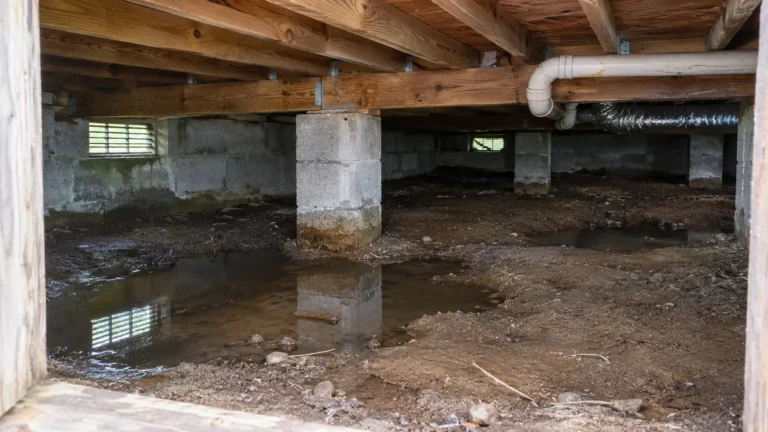
If you have puddles or damp soil, start with our guide to water in a crawl space before comparing encapsulation quotes. If you’re unsure what a liner does, see crawl space vapor barriers for the difference between ground coverage and a complete moisture-control plan.
| Crawl space floor area | Illustrative total at $3–$10 per square foot |
| 500 square feet | $1,500–$5,000 |
| 1,000 square feet | $3,000–$10,000 |
| 1,500 square feet | $4,500–$15,000 |
These examples are simple area calculations, not market quotes. Small jobs may have minimum charges; water removal, drainage, mold cleanup, structural repairs, and other work can change the final price. Get a written estimate based on an inspection.
What are you paying for?
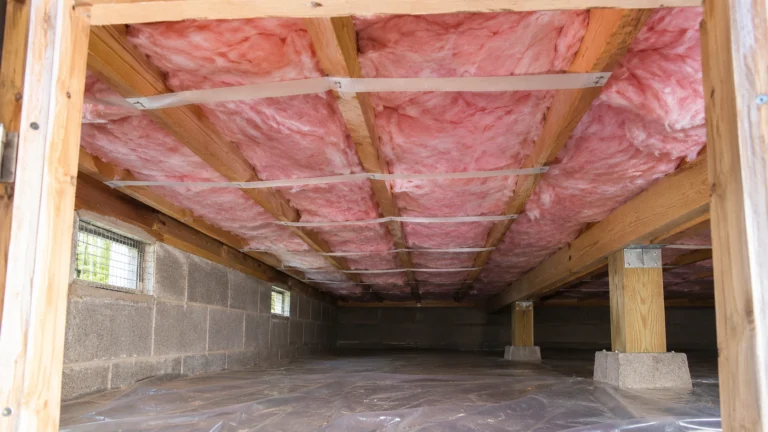
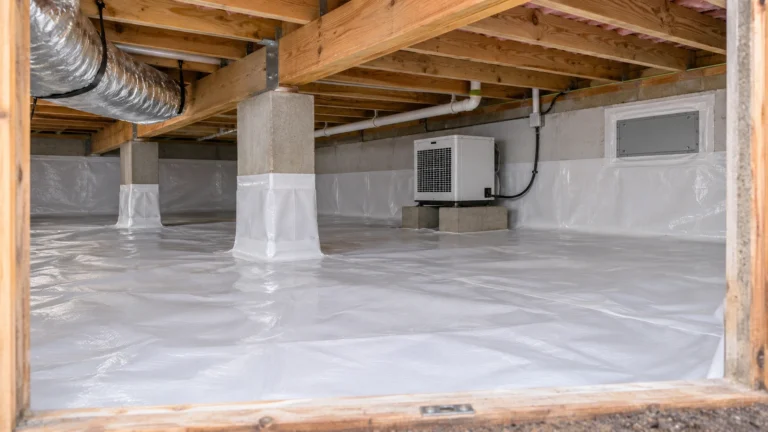
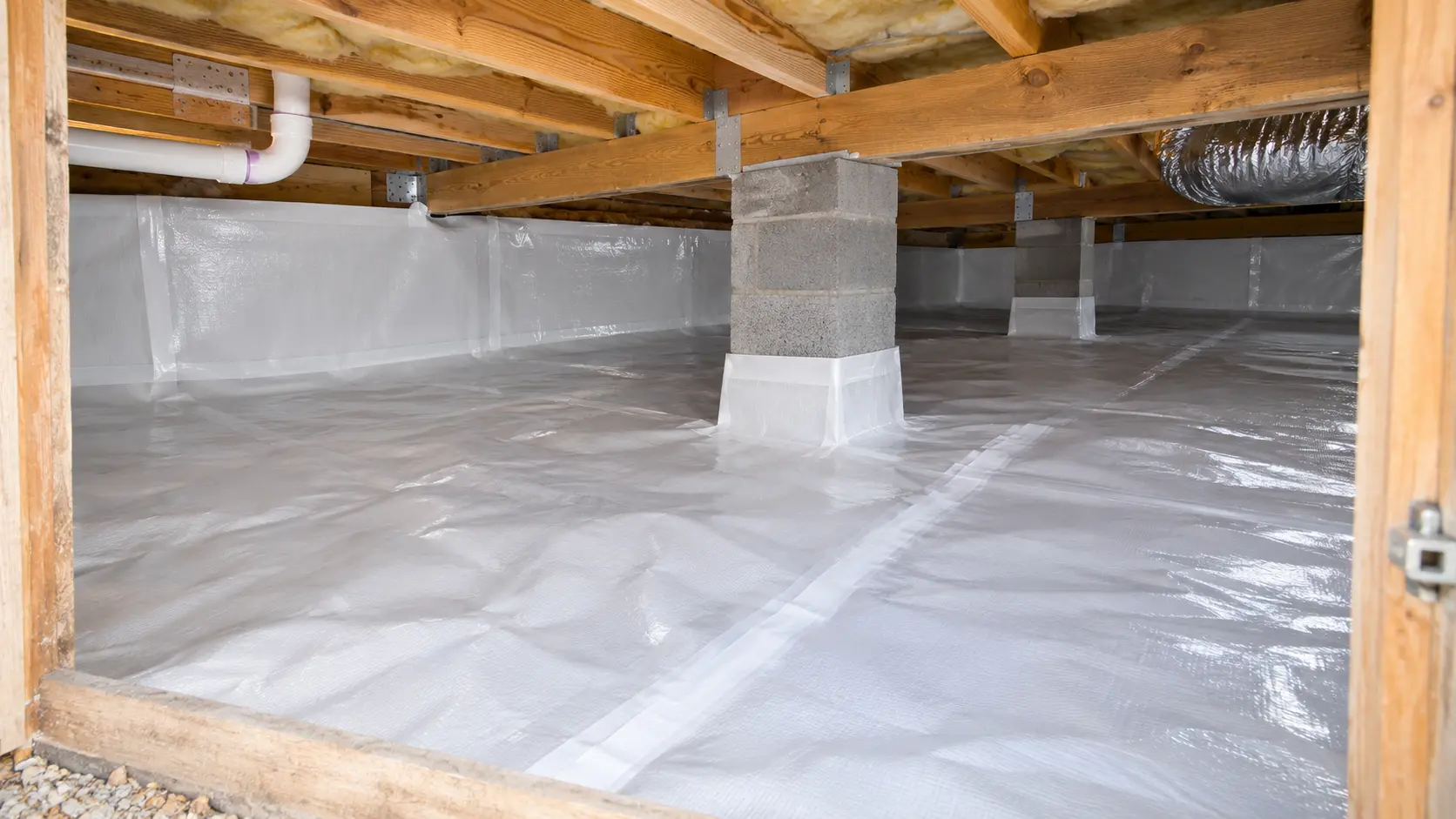
An encapsulation plan generally aims to reduce moisture entering through the soil and foundation and to manage conditions inside the crawl space. A contractor may clean the area, install and seal a ground vapor barrier, seal air leaks or vents where appropriate, insulate relevant surfaces, and specify how humidity will be controlled. The exact design depends on the home’s existing foundation, drainage, climate, and applicable local code.
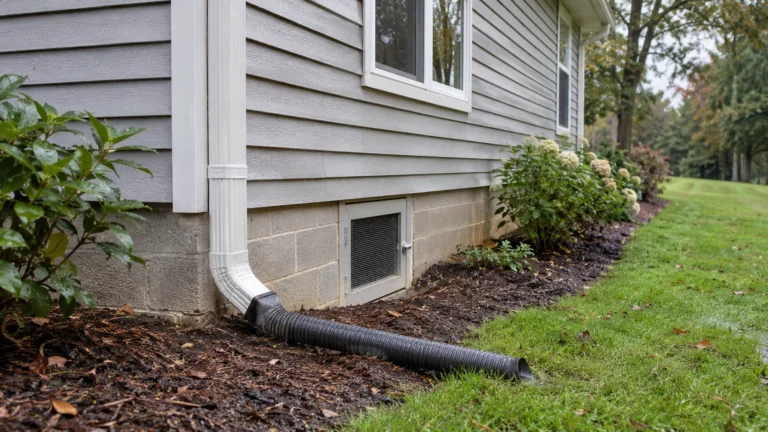
The U.S. Department of Energy’s Building America guidance describes a continuous ground barrier sealed at seams and around penetrations as a way to limit moisture from soil. It also points to exterior grading and drainage as part of controlling bulk water. A plastic liner alone will not correct an active leak.
Size and access
More floor area means more liner and installation time. Tight clearances, obstructions, and hard-to-reach corners can increase labor even when two crawl spaces have the same floor area. Ask whether the price covers wall and pier treatment as well as the ground, and how penetrations and seams will be sealed.
Existing water or damage
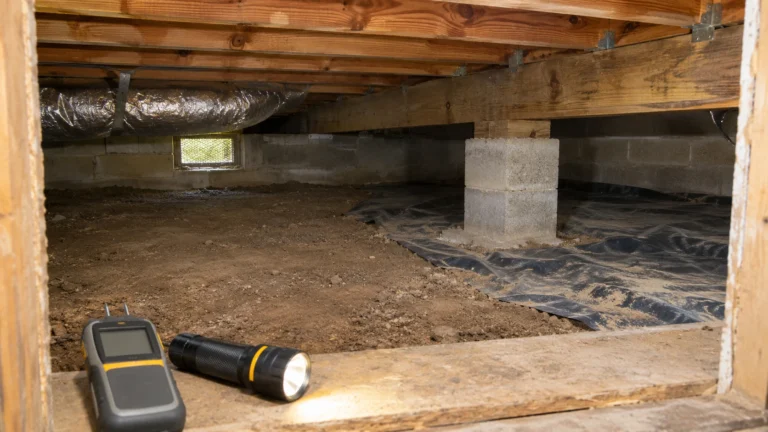
Standing water, plumbing leaks, damaged wood, or a drainage problem may need separate work before sealing. Building America advises investigating and treating evidence of water or seasonal standing water before air sealing or insulating a crawl space. The EPA likewise says the moisture problem must be fixed for mold cleanup to be considered complete. If a quote proposes installing a liner over an unresolved water problem, ask for an explanation of how that water will be controlled. Sources: Building America; EPA.
Materials and equipment
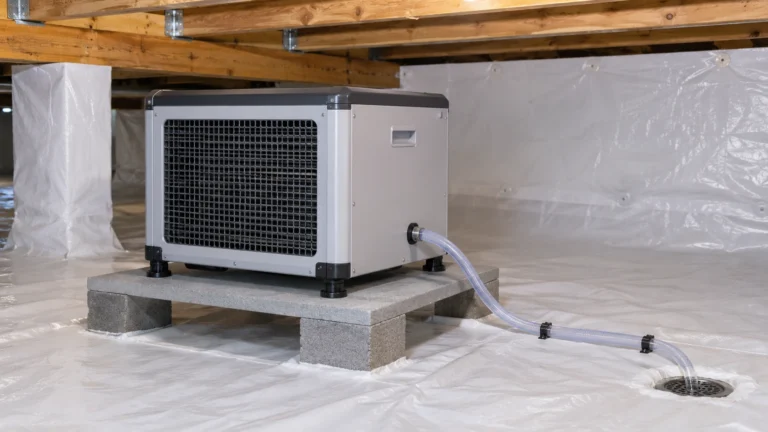
Barrier thickness, fastening and sealing methods, insulation, and humidity control all affect the scope. A contractor might recommend a dehumidifier or drainage system, but neither should be assumed to be included in every quote. Ask why each component is needed for your house and who will maintain it after installation.
Labor and local requirements
Labor rates and permit requirements differ by location and project. Ask the contractor whether any necessary permits, inspections, electrical work, and disposal of old material are included in the written price. Avoid comparing a base quote against an all-inclusive quote as if they cover the same job.
Is a vapor barrier the same as encapsulation?
No. A ground vapor barrier is one part of moisture control. A more comprehensive encapsulation proposal may also address wall and pier sealing, air leakage, insulation, drainage, and ongoing humidity control. There is no useful price comparison until you know exactly which steps each company includes.
If the crawl space is already dry and the existing design is working, a contractor may recommend a smaller scope. If water collects after rain, the water source and drainage need attention before deciding how to seal the space. The Building America Solution Center specifically calls for bulk-water drainage issues to be addressed before converting a vented crawl space to an unvented, insulated one.
How to compare two quotes
Request a written inspection and ask each contractor the same questions:
- What is causing the moisture? Is it a plumbing leak, surface runoff, groundwater, condensation, or something else? What evidence supports that conclusion?
- What happens before the liner is installed? Ask about water removal, repairs, debris removal, and any mold work.
- Which surfaces and seams will be sealed? Request the product specifications and a clear description of treatment at walls, piers, openings, and pipes.
- What is included in the total? Check insulation, drainage, dehumidification, electrical work, permits, disposal, taxes, and any optional items.
- What will the system need later? Ask about equipment maintenance, access for future repairs, warranty coverage, and what happens if water returns.
Get more than one itemized quote. If one price is far lower, compare the scope before assuming the work is equivalent. Do not treat an estimated national average as a substitute for a site inspection.
Common questions
How much does it cost to encapsulate a 1,000-square-foot crawl space?
At the published $3–$10-per-square-foot planning range, the arithmetic is $3,000–$10,000. Your actual quote may fall outside that range, especially if drainage, damage repair, or unusually difficult access is involved. HomeGuide and This Old House give overlapping but not identical national estimates because scope varies.
Is crawl space encapsulation worth the cost?
It may be worth considering when a moisture assessment shows that sealing and humidity control will address a real problem. The value depends on the condition of your crawl space and what the proposal actually fixes. Ask the contractor to explain the water source and proposed solution before deciding; do not assume encapsulation alone will stop flooding or repair structural damage.
For the tradeoffs beyond price, is crawl space encapsulation worth it?.
Can I just put plastic over the dirt?
A properly installed ground barrier can help control soil moisture, but details such as sealed seams and penetrations matter. It also cannot correct standing water caused by drainage or leaks. DOE guidance describes the barrier as part of a broader water-control approach.
Does the quote include mold removal and a dehumidifier?
Ask; do not assume. Those items depend on the inspection and the contractor’s scope. If mold or water damage is present, the underlying moisture source needs to be resolved, and remediation may require its own work plan. EPA moisture guidance explains why fixing that source matters.
The takeaway
Budget roughly $3–$10 per square foot as an initial comparison point, then use an inspection and itemized quotes to learn what your specific crawl space needs. The most useful quote explains the moisture source, the work included, and what will keep the space dry afterward. A low price for a liner does little good if water still enters underneath it.