Crawl Space Dehumidifier: When You Need One and How to Choose It
Does your crawl space need a dehumidifier?
A crawl space dehumidifier may help when excess humidity remains after water leaks, drainage, and ground moisture have been addressed. It removes water vapor from the air. It does not pump out standing water, stop rain entering the foundation, or repair a leaking pipe. Start by finding the moisture source before buying equipment.
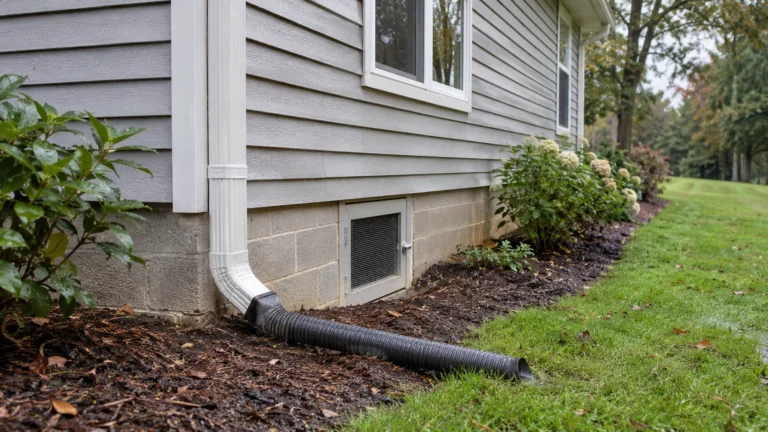
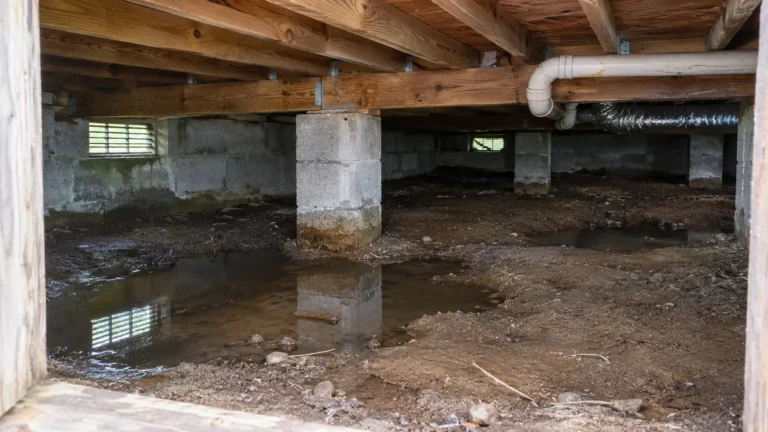
The U.S. Department of Energy’s pre-retrofit assessment guide lists plumbing, HVAC condensate, uncovered soil, outside air, and an open sump among possible crawl-space moisture sources. A dehumidifier can be one part of a properly designed sealed space, but the underlying source still matters. If you have puddles, read our guide to water in a crawl space first.
Check the cause before the humidity reading
Use a reliable humidity meter to record relative humidity at different times, including after rain and during humid weather. Note musty odors, condensation, wet insulation, and any water stains. A single reading may miss a seasonal problem. DOE’s crawl-space inspection guide treats high humidity and wet building materials as clues that require investigation.
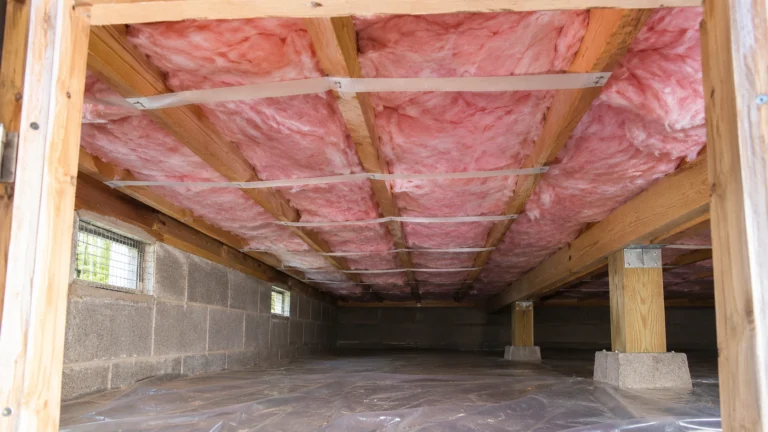
Ask whether water is entering as a liquid or vapor. A roof drainage problem or pipe leak needs a repair. Exposed dirt may need a continuous ground vapor barrier. In a humid climate, outside air entering a vented crawl space can condense on cooler surfaces. These issues may coexist. Our crawl space moisture-control guide explains how they fit together.
The EPA advises keeping indoor relative humidity below 60%, ideally 30%–50% where possible, as part of mold prevention. Source: EPA mold and moisture guide. That is useful context, not a promise that one setting suits every crawl-space design. Ask a qualified professional how your space should be controlled and monitored.
When can a dehumidifier help?
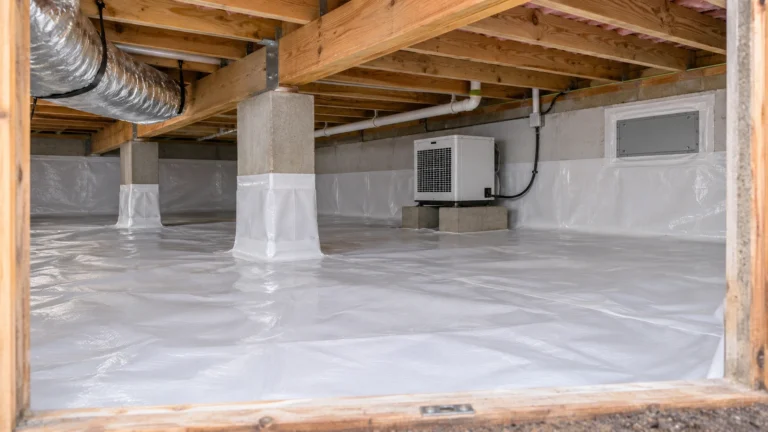
A dehumidifier is most useful when the space has an appropriate enclosure and a persistent air-humidity load after bulk-water sources are corrected. DOE describes standalone dehumidifiers as an option for sealed basements and crawl spaces. Source: Building America ventilation guide.
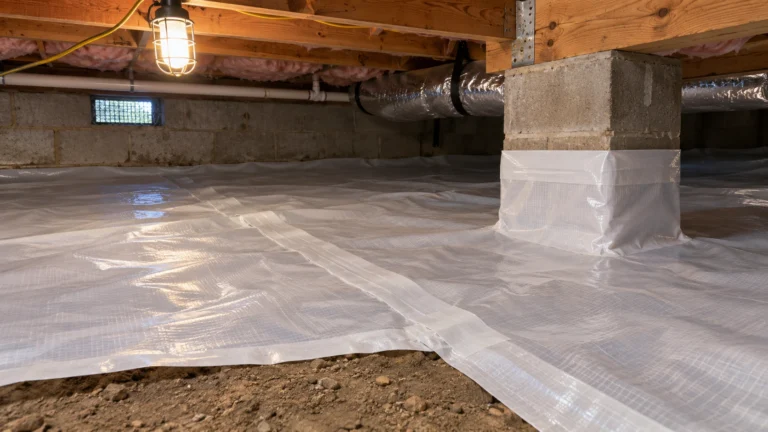
It may be considered after crawl space encapsulation if monitoring shows humidity still needs active control. But “encapsulated” is a label, not proof that every seam is sealed or drainage is working. If the unit runs constantly and the space remains damp, investigate the source and the enclosure before simply buying a larger machine.
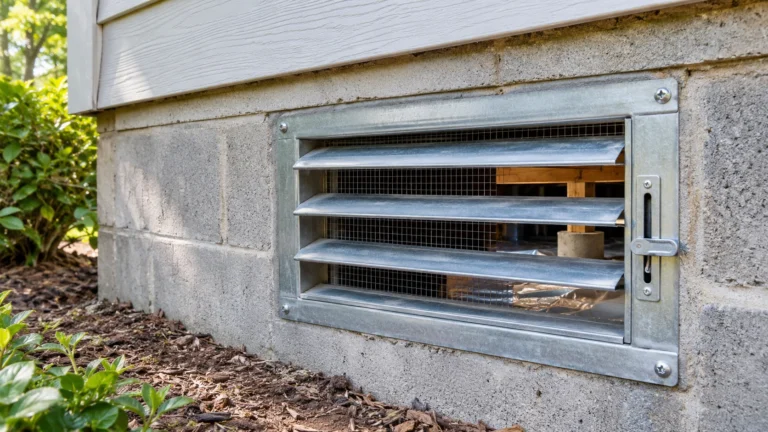
In an open, vented crawl space, humid outside air can keep entering. A dehumidifier placed there without an overall design may run hard while the source continues. DOE notes that vented spaces in humid climates can admit warm air that condenses on cool joists. Source: Building America. Whether to change the venting and insulation strategy depends on the building and local requirements.
How do you size a crawl space dehumidifier?
Capacity is usually expressed in pints of water removed per 24 hours under specified test conditions. ENERGY STAR says selection depends on both the size of the area and how damp it is without dehumidification. A very wet space of a given size can need more capacity than a mildly damp one. Source: ENERGY STAR dehumidifier guide.
For a meaningful recommendation, provide the installer with crawl-space dimensions, measured humidity trends, local climate, whether the area is sealed or vented, and information about ground coverage, drainage, and ducts. Ask for the assumed load and the operating conditions behind the suggested model. Do not select capacity from floor area alone or assume that the largest listed unit is automatically best.
ENERGY STAR also explains that newer capacity ratings can differ from older ones because of test-method changes. When replacing a unit, compare current ratings under the same standard rather than matching the old number blindly. Source: ENERGY STAR testing and capacity.
What should installation include?
Safe power and a dependable drain
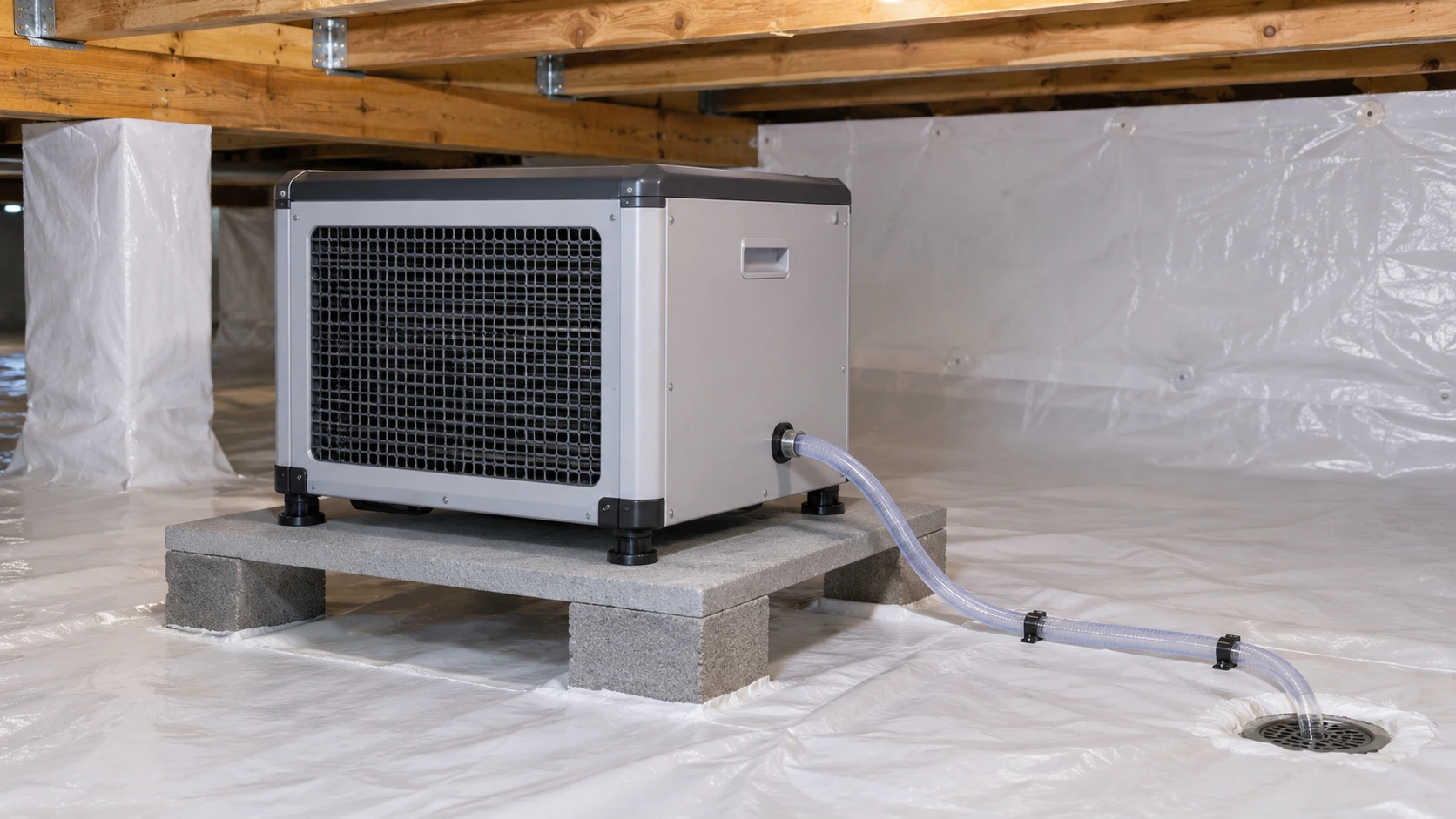
The unit needs an appropriate electrical supply and a plan to remove its collected water. Some models can drain by gravity through a hose, while others use a pump. ENERGY STAR notes that a hose may route condensate to a floor drain or sump where suitable. Source: ENERGY STAR. Ask where the water will discharge and how the line will be protected from blockage, freezing, or accidental disconnection where those risks apply. Use a qualified installer for electrical or drain work.
Placement and service access
Ask how the unit will draw and return air across the crawl space without being blocked by stored items, liner folds, or framing. Leave a route to inspect the filter, drain, and controls. A product that cannot be serviced easily is less likely to keep working properly. Follow the manufacturer’s installation and maintenance instructions for the selected model.
Monitoring after installation
Record humidity after the installation and after the next rain or humid period. Check for wet insulation, odors, new puddles, and whether the drain works. DOE’s water-management guidance recommends post-retrofit monitoring of conditions in a sealed crawl space. If the reading stays high, check the unit and the moisture sources, rather than relying on the display alone.
What does a crawl space dehumidifier cost?
The installed cost depends on the model and capacity, access, electrical work, drain route, and whether a separate enclosure or water repair is needed. Running cost depends on how long the machine operates and local electricity prices. ENERGY STAR certification can help compare efficiency among suitable models, but an efficient machine will still waste energy if an active leak or uncontrolled outside air keeps feeding it moisture. Source: ENERGY STAR product guidance.
Request an itemized quote for the machine, installation, condensate routing, controls, warranty, and maintenance. Keep drainage, vapor barrier, and encapsulation work on separate lines so you can see what is fixing the source and what is managing residual humidity.
Common questions
Will a dehumidifier dry standing water?
No. It removes water vapor from the air; a puddle needs safe removal and its source corrected. A drain or sump may be part of a plan for recurring water entry. See our guide to crawl space waterproofing for the distinction.
Can a dehumidifier replace a vapor barrier?
No. A sealed ground crawl space vapor barrier limits vapor rising from exposed soil. Without one, a dehumidifier may have to handle a preventable moisture load. DOE recommends ground coverage in both vented and unvented crawl spaces. Source: Building America.
Should it run all the time?
It should respond to the humidity-control setting and the actual conditions. Constant operation with little improvement can point to a wrong setting, poor placement, a drain or equipment problem, an undersized unit, or continuing moisture entry. Check the measured humidity, equipment, and enclosure before changing the model.
The takeaway
Buy a crawl space dehumidifier for a diagnosed humidity problem, not as a shortcut around water repairs. First fix leaks and drainage, cover exposed ground appropriately, and decide how the space will be enclosed. Then size the unit using the space and dampness, provide a dependable drain, and monitor whether conditions actually improve.