Crawl Space Waterproofing: How to Stop Water at Its Source
What does crawl space waterproofing involve?
Crawl space waterproofing means identifying where water is entering and choosing repairs that keep the space dry. Depending on the cause, that may involve fixing a pipe, redirecting roof runoff, correcting ground slope, repairing the access opening, installing drainage, or using a sump system. A ground vapor barrier can limit moisture from soil, but it cannot replace a repair for water that is actively flowing or pooling.
There is no one waterproofing package for every house. The U.S. Department of Energy’s Building America guidance places bulk-water and drainage repairs before sealing or insulating an existing crawl space. The useful first question is therefore “Where is the water coming from?”, not “Which liner should I buy?”
If water has just appeared, our guide to water in a crawl space explains safe first checks. Stay out of pooled water near wiring or equipment, and call qualified help if the area may be unsafe.
Find the entry route before choosing a solution
Water that appears only after a storm points to a different issue from water that remains through dry weather. Note when it appears, where it pools, whether the gutters overflow, and whether a fixture or appliance was running. Photos taken safely from an access point can help a contractor trace the route.
DOE’s pre-retrofit assessment guide calls for checking roof runoff, grading, plumbing, HVAC condensate, the foundation, and signs of seasonal water. A wet patch is evidence, not a complete diagnosis: water can travel before it becomes visible. Ask for the proposed cause and supporting observations in writing.
Roof runoff and surface water
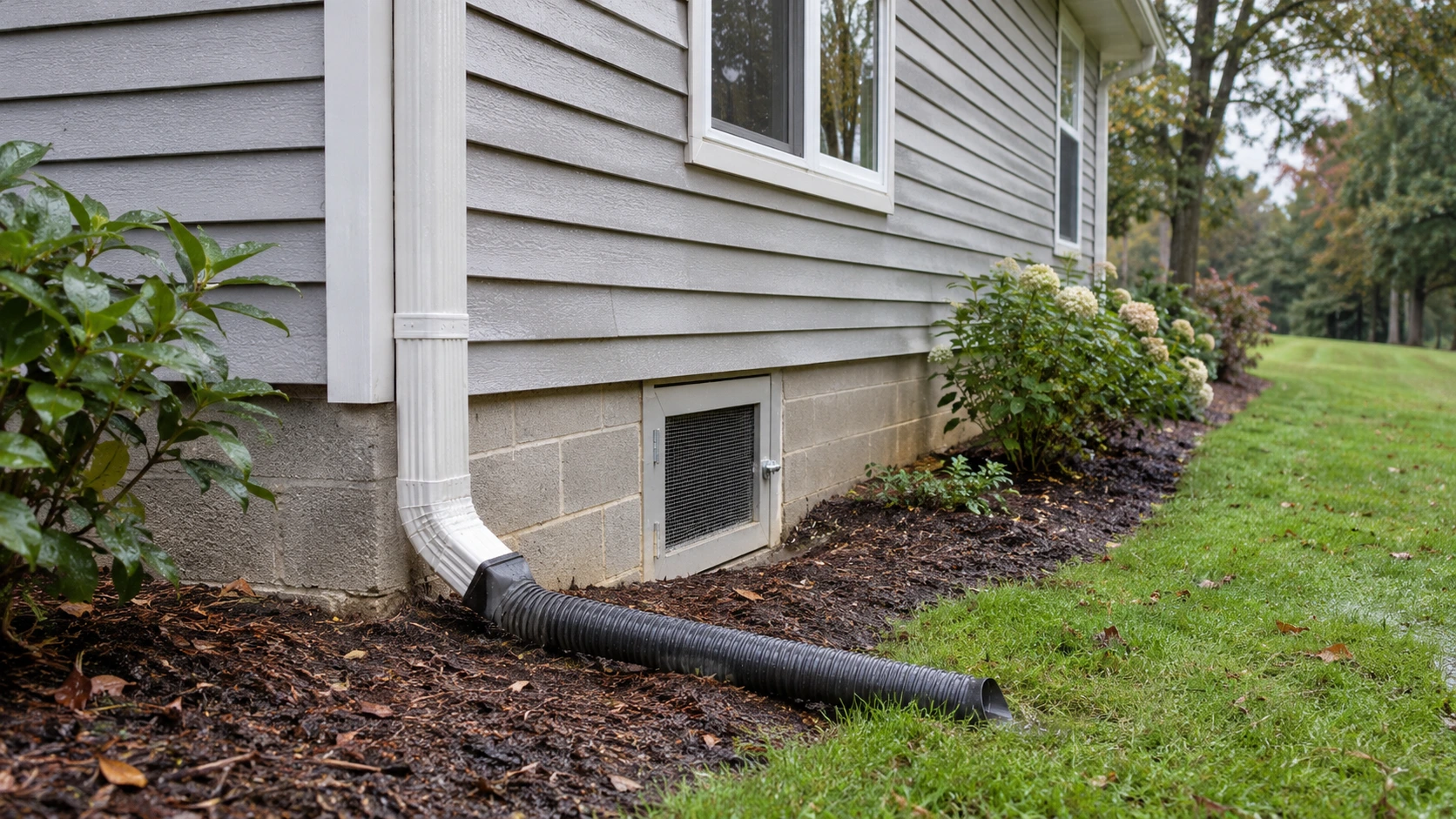
Clogged gutters, short downspouts, low spots beside the house, or ground that slopes inward can direct rain toward a foundation. Begin with a safe exterior inspection after rain. A repair may be as direct as fixing a gutter or redirecting a downspout, or it may require grading and a proper discharge point. DOE’s site-drainage guidance emphasizes moving runoff away from the building so it does not collect at the foundation.
Groundwater or recurring seepage
Water that enters through foundation walls or collects when the surrounding ground is saturated may need a drainage design. An installer might propose exterior footing drainage, an interior collection route, a sump, or a combination, depending on the site. Ask where the collected water will discharge and whether the route is permitted and workable during heavy rain. DOE’s water-management guide includes grading, perimeter drainage, and sump measures among the possible controls.
Plumbing, equipment, and access openings
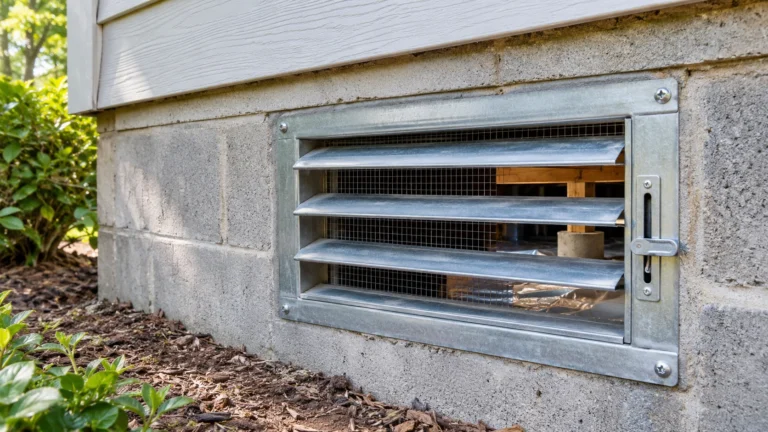
A supply or drain leak, HVAC condensate, an open sump crock, or an access door that admits rain can also leave water under the house. These causes need targeted repairs. A pump may remove accumulated water but will not fix a leaking supply line. DOE’s assessment guide lists indoor equipment and plumbing as possible sources alongside exterior drainage.
Which waterproofing methods can help?
Gutters, downspouts, and grading
Move roof and surface water away from the foundation before paying for a more complex interior system. The right slope and outlet depend on the property and local drainage rules. Ask a contractor to show where water flows now and where it will go after the work; moving a downspout to another spot beside the same wall may not solve the problem.
Drains and sump pumps
A drain collects water and directs it to an approved outlet or sump. A sump pump removes water collected in a pit. DOE describes such systems for homes with recurring groundwater or seasonal dampness. Source: Building America drain and sump guide.
Ask what water the system is designed to catch, how it reaches the pit, where the discharge goes, and how the pump and power supply will be maintained. A sump can manage water that enters; it does not automatically prevent entry or correct the outside cause. If a contractor proposes a drain without explaining the water route, request a clearer design.
Ground vapor barriers and humidity control
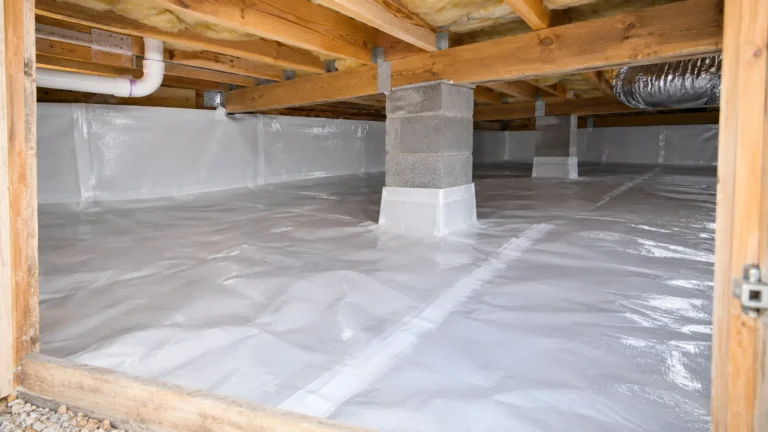
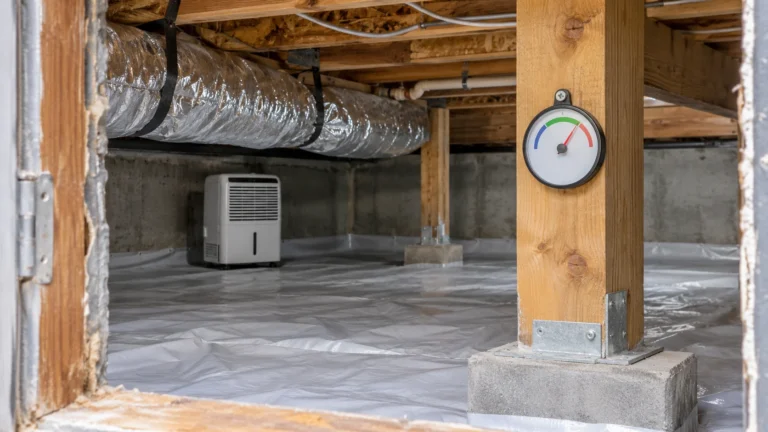
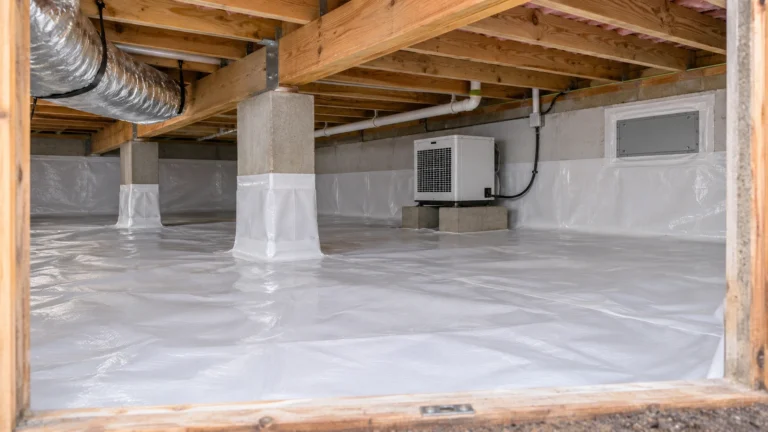
A continuous crawl space vapor barrier reduces moisture rising from exposed soil. It is useful in both vented and unvented crawl spaces, according to DOE’s ground-cover guidance. It is different from a drain, pipe repair, or waterproof coating. The same is true of a dehumidifier: it can manage moisture in the air after water sources are addressed, but it cannot pump away a puddle.
Should you encapsulate after waterproofing?
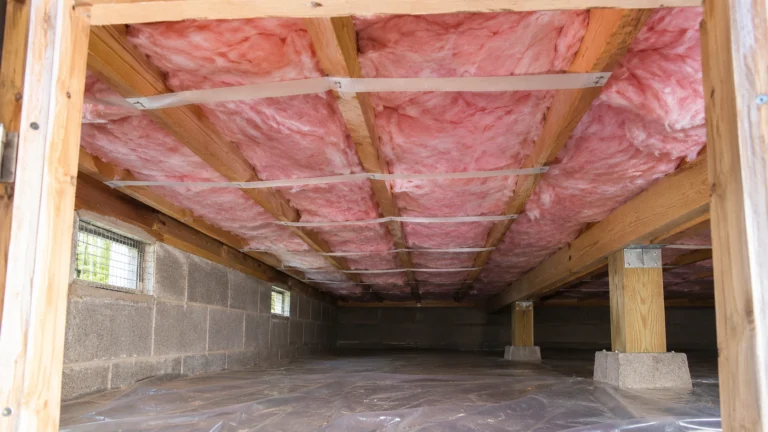
Possibly, if the inspection supports a broader moisture-control plan. A sealed crawl-space design can connect ground coverage, air sealing, wall insulation, and humidity management. But it should follow repairs to active leaks and drainage defects. DOE explicitly calls for bulk-water management before conversion to an unvented, insulated crawl space. Source: Building America.
Read our crawl space encapsulation cost guide to compare the scope of proposals. Ask whether the quote includes water removal, drainage, electrical work, the liner, insulation, and ongoing equipment. A price for laying plastic is not the same project as a complete drainage and sealing plan.
How much does crawl space waterproofing cost?
There is no reliable single price until the cause and work are defined. Clearing or repairing a downspout, replacing a leaking pipe, regrading a yard, and building a drain-and-sump system have different materials and labor. Restricted crawl-space access, the route to a legal discharge point, damaged insulation or wood, and electrical work can also change the total.
Request an itemized site-specific estimate. Separate the cost of immediate cleanup from source repair, drainage, vapor control, and any proposed encapsulation. Ask what will be measured after installation to show whether the source has been controlled. Avoid comparing two totals that solve different problems.
What if the crawl space is flooded now?
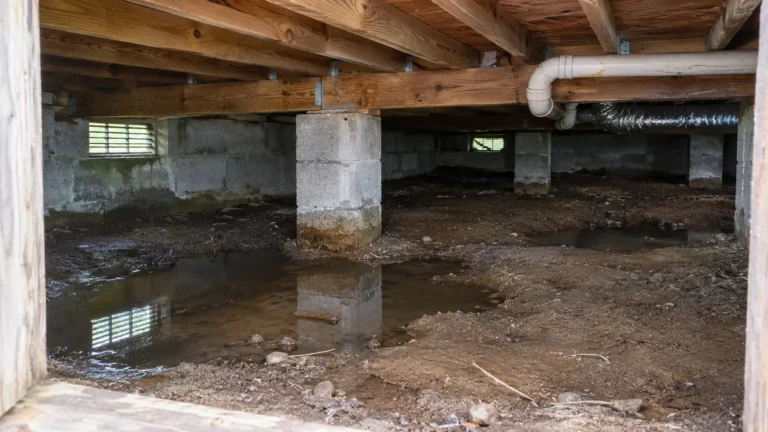
Do not enter standing water near wiring, outlets, equipment, or damaged structure. Do not touch wet electrical equipment. EPA’s flood cleanup guidance calls out electric-shock hazards; use qualified help to make the area safe. If sewage or other contamination is suspected, arrange appropriate professional cleanup.
Once it is safe, remove the water and dry wet materials promptly while the source is being investigated. EPA’s flooded-home guidance explains that prolonged wetness raises mold concerns. Do not install fresh insulation or a liner over wet material as a substitute for drying and repair.
Questions to ask a waterproofing contractor
- What is the likely water source, and what evidence supports it? Ask for photos or a written inspection summary.
- Which repair stops the source? Distinguish runoff or pipe repairs from a system that only collects water after entry.
- Where will drained water go? Ask about the outlet, pump power, maintenance, and local requirements.
- What is included in the price? Separate cleanup, drainage, foundation work, liner, insulation, and equipment.
- How will success be checked? Ask when the space will be reinspected, especially after the next significant rain.
If the proposal adds insulation or closes vents, ask how those changes fit the complete crawl-space design. Our crawl space moisture-control guide explains the difference between liquid water and ongoing humidity.
Common questions
Will a vapor barrier waterproof my crawl space?
It helps limit moisture vapor from bare soil, but it will not stop a broken pipe or runoff entering the foundation. Find and fix bulk-water sources first. Source: DOE Building America.
Is a sump pump enough?
It can be an important part of a drainage plan when water collects in a pit, but the water still needs a route into the system and a proper place to discharge. The site may also need gutter, grading, or foundation-drain repairs. Source: DOE drain and sump guide.
What if water returns only after heavy rain?
That timing makes runoff, access openings, and saturated ground worth investigating. It does not prove the exact entry route. Check the exterior safely during the next storm and ask a qualified professional to trace the water before selecting a repair. Source: DOE assessment guide.
The takeaway
Effective crawl space waterproofing starts with a diagnosis. Keep roof and surface water away, repair leaks, provide drainage where the site needs it, then address soil vapor and humidity. A written quote should identify the water route and say exactly which part of that route each proposed measure will control.