Crawl Space Vapor Barrier: What It Does and How to Choose One
Does a crawl space need a vapor barrier?
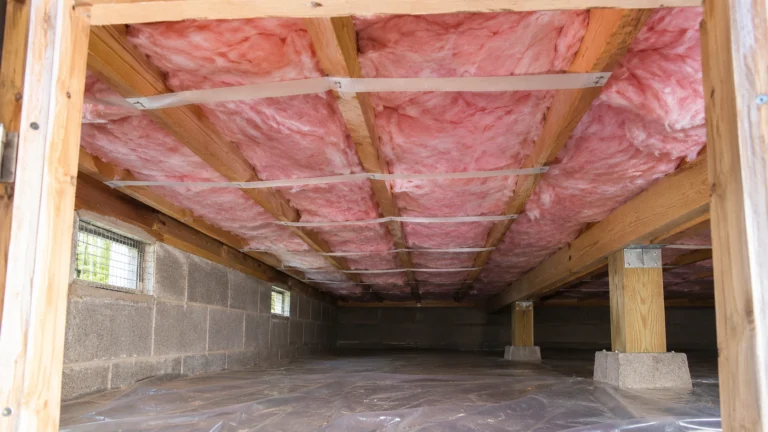
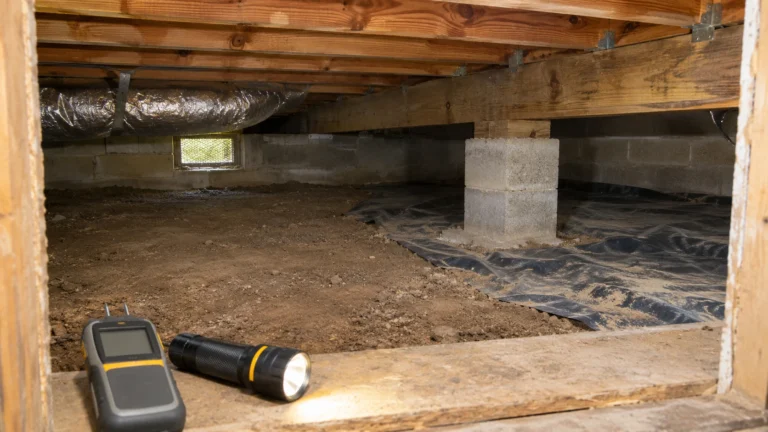
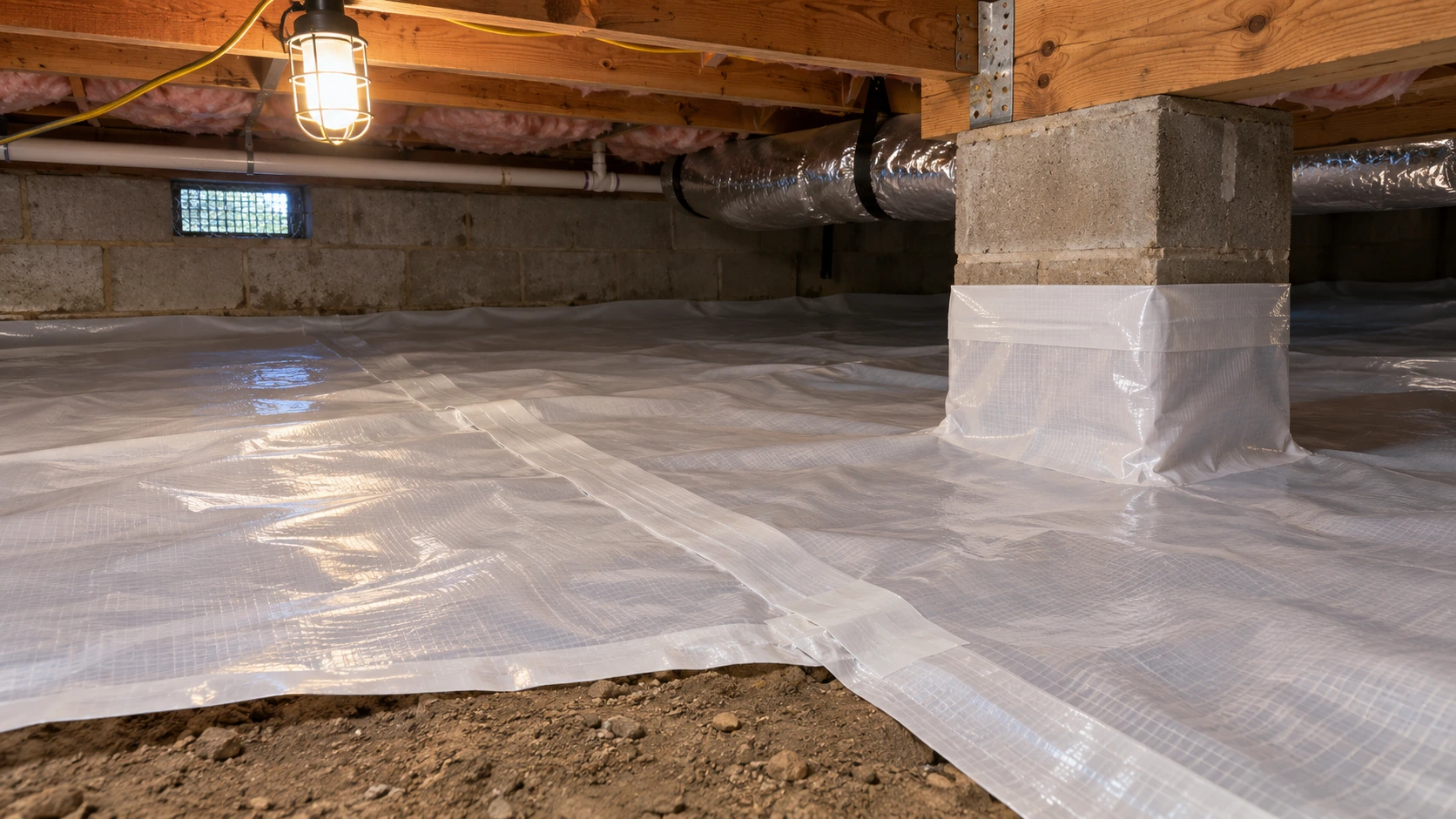
If the crawl space has an exposed dirt floor, a continuous ground vapor barrier is a common way to limit moisture rising from the soil. The U.S. Department of Energy’s Building America guidance recommends ground coverage whether the crawl space is vented or unvented. The material needs to be joined and sealed around the foundation and piers so vapor cannot simply escape at the edges.
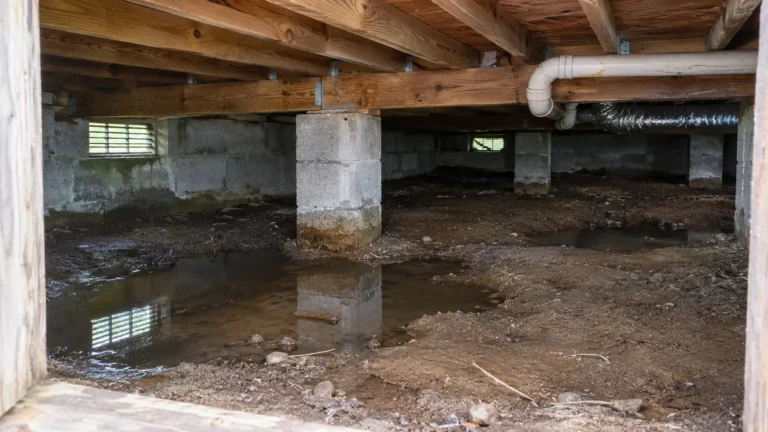
A vapor barrier is one piece of moisture control. It does not repair a leaking pipe, stop rainwater entering beside the foundation, or remove standing water. Before covering the ground, find out why the space is damp. If you see a puddle, start with our guide to water in a crawl space.
What does the barrier actually do?
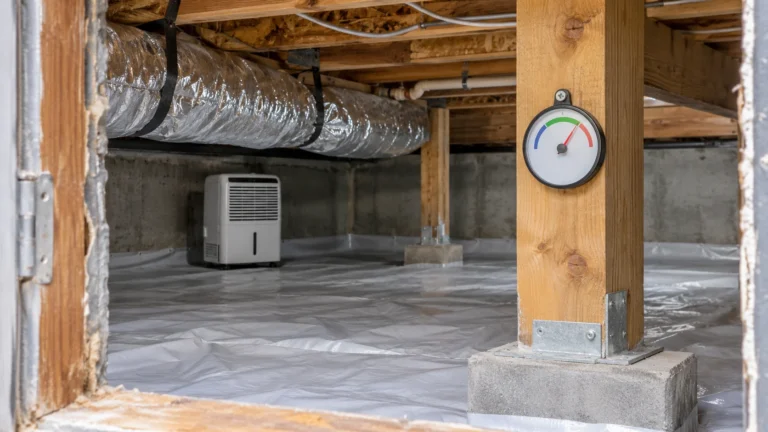
The soil under a house can release water vapor into the crawl space. A ground vapor retarder reduces that movement when it covers the soil continuously, and its seams and edges are sealed. DOE’s crawl-space floor guide also describes this layer as a capillary break and notes that moisture can otherwise condense on cooler framing.
People often use vapor barrier, moisture barrier, and vapor retarder interchangeably when discussing ground plastic. The material’s rating and the way it is installed matter more than the label. A loose sheet with gaps or tears may leave large areas of damp soil exposed.
Moisture can also come from outside air, condensation, plumbing, or rainwater. A ground sheet will not solve those sources by itself. For a broader plan, see our crawl space moisture-control guide.
Where should a crawl space vapor barrier go?
The main layer goes over exposed ground, with joints and transitions treated as part of a continuous system. The contractor should explain how it will meet foundation walls, support piers, and any pipes or other penetrations. DOE’s existing crawl-space water-management guide describes ground coverage extending up walls and piers, with seams and edges sealed.
Do not confuse a sheet on the ground with plastic stapled under the floor joists. Insulation and vapor-control details at the floor or foundation wall depend on whether the space is vented or unvented, the climate, and the materials already present. An incorrect layer in a wall assembly can trap moisture. Ask a qualified professional to show where the air, insulation, and vapor-control layers will be before changing the assembly. Source: DOE Building Science Education.
What should a good installation include?
Fix the water source first
Inspect for plumbing leaks, wet insulation, standing water, clogged gutters, short downspouts, and ground sloping toward the house. DOE’s pre-retrofit assessment guide says water or evidence of seasonal standing water should be investigated and treated before air sealing or insulating. Installing new plastic over an active puddle can conceal the problem without correcting it.
Cover and connect the material
Ask whether the proposal covers the entire accessible dirt floor, how much material overlaps at seams, and how the overlaps are sealed. It should also specify how edges connect to the foundation and how piers and penetrations will be treated. DOE’s rigid-foam retrofit guidance illustrates a 6-mil polyethylene retarder with lapped, sealed seams and edges secured to walls and piers. That example is a minimum design reference, not a reason to choose thickness without considering wear and the project’s details.
Protect it from use and future work
If people need to access equipment in the crawl space, ask how the barrier will stand up to foot traffic and maintenance. Check that the proposed installation will not block an existing drainage route or make a leak hard to detect. DOE’s vapor-retarder job aid specifically calls for keeping established drainage patterns clear. Have the installer explain how future tears will be repaired.
Is thicker plastic always better?
Thickness is only one consideration. A thicker, tougher material can be useful where installers or service workers will move across the surface, but even expensive material performs poorly if seams are open or the edge connection fails. The correct product and fastening method depend on access, the ground condition, intended use, and the complete crawl-space design.
When comparing quotes, request the product name and specification, the treatment at seams and walls, and an explanation of why that material suits your space. Do not compare two prices by mil thickness alone. If you also need insulation, drainage, or humidity control, get those items listed separately.
Is a vapor barrier the same as encapsulation?
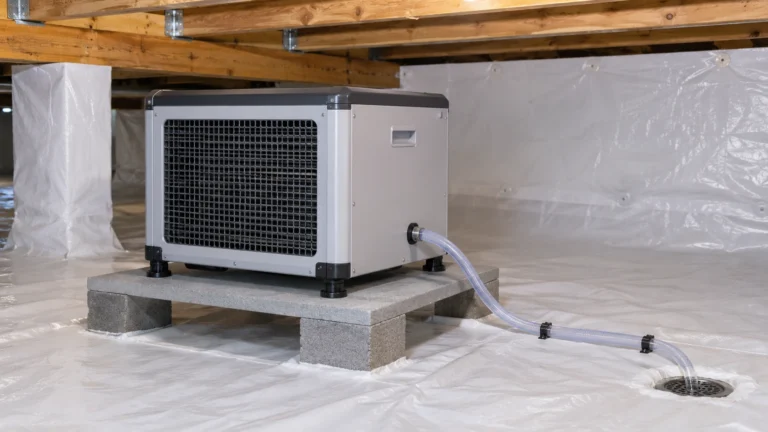
No. A ground barrier is one component; encapsulation describes a broader approach to the crawl-space environment. A properly designed unvented, insulated crawl space can also require wall and rim air sealing, insulation, water management, and a way to keep humidity under control. DOE’s unvented crawl-space guide treats these as connected parts.
Read our guide to what crawl space encapsulation includes before comparing a liner-only quote with a proposal for the whole space. Our crawl space encapsulation cost guide explains why prices can vary when one contractor includes drainage or insulation, and another does not.
Can you install a crawl space vapor barrier yourself?
A homeowner may be able to assess visible gaps and tears from a safe access point, but crawl spaces can have exposed wiring, sewage, mold, damaged framing, or standing water. Do not enter water near electrical equipment or disturb suspect contaminated materials. If those conditions exist, get qualified help first. DOE’s crawl-space moisture inspection guide advises against entering a section with significant standing water or touching exposed wiring.
Even in a dry space, the difficult work is often at seams, piers, walls, and penetrations. If a contractor is doing the job, ask for photographs of these details and a clear scope for repairs after future service work.
Questions to ask before buying or hiring
- Where is the moisture coming from? What evidence points to soil vapor rather than a plumbing or drainage problem?
- What areas will the barrier cover? How will seams, walls, piers, access points, and pipes be sealed?
- What material is specified? Is it suitable for traffic and maintenance access in this space?
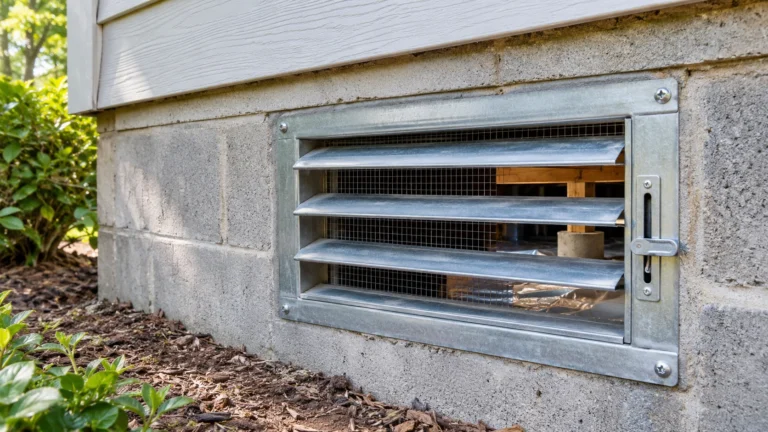
- Is the crawl space staying vented? If it is being converted to an unvented design, who is responsible for air sealing, insulation, humidity control, and code checks?
- What happens after installation? Who will inspect for water, repair damage to the sheet, and address radon if testing shows a problem?
DOE recommends checking local code and radon requirements as part of a closed crawl-space conversion. A vapor barrier alone should not be presented as a guaranteed radon fix. Source: Building America.
Common questions
Will a vapor barrier stop water in a crawl space?
It reduces vapor entering from the ground; it is not a repair for bulk water. If water pools after rain, investigate runoff, grading, foundation drainage, and plumbing before choosing a liner. Source: DOE water-management guidance.
Does the barrier go on the ground in a vented crawl space?
Yes. DOE recommends a continuous ground cover in both vented and unvented crawl spaces. The insulation and ventilation strategy for the rest of the space still needs to match its design. Source: Building America.
How often should it be checked?
There is no single useful calendar interval for every house. Inspect it when you notice new dampness or odor, after water intrusion, and after maintenance work that may have torn or moved the material. Check that seams remain connected and that no ground is exposed; investigate any new water source instead of simply taping over a wet area.
The takeaway
A crawl space vapor barrier is most useful when it forms an unbroken layer over exposed soil and fits into a plan for the whole space. Identify leaks and drainage issues first, compare the actual material and sealing details in each quote, and keep the barrier accessible for later checks and repairs.