Is Crawl Space Encapsulation Worth It? How to Decide for Your Home
Is crawl space encapsulation worth the money?
It can be worthwhile when a house has a persistent moisture problem that a properly designed crawl-space conversion will address. A sealed ground liner, air sealing, wall insulation, drainage where needed, and humidity management can work together. But a dry, well-performing space may need a smaller repair, and a liner installed over an active leak is a poor use of money.
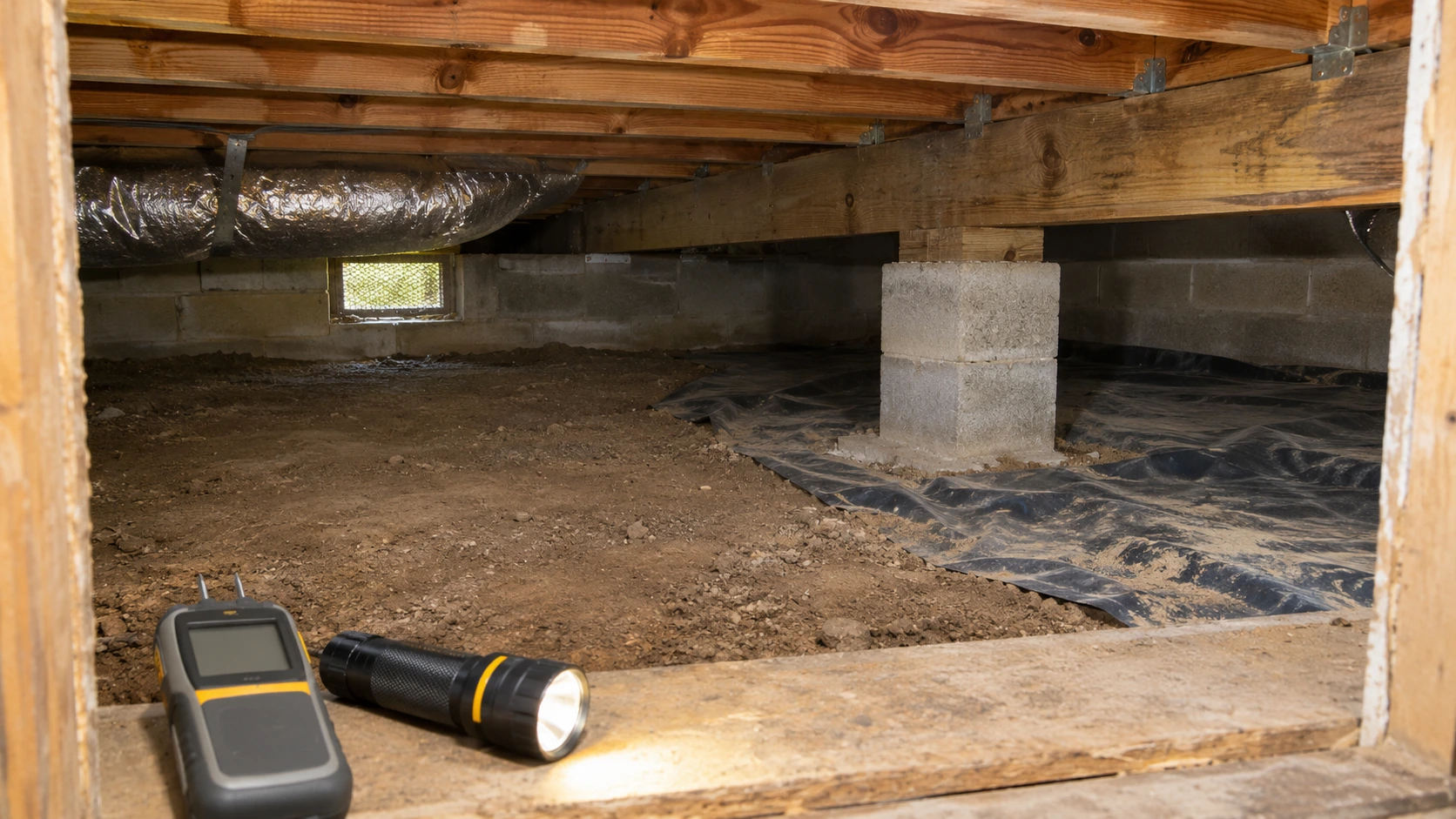
The decision begins with an inspection: what is wet, when does it get wet, and where is the water coming from? The U.S. Department of Energy’s Building America assessment guide says standing water or signs of seasonal water must be investigated before sealing and insulating. If you are still learning the components, read what crawl space encapsulation includes first.
When might encapsulation make sense?
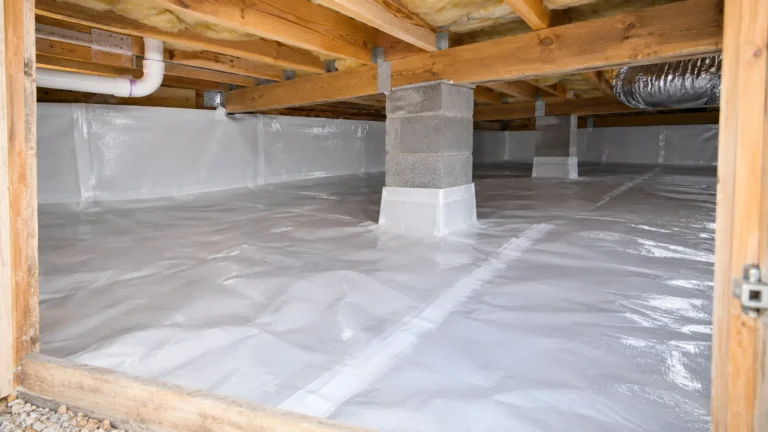
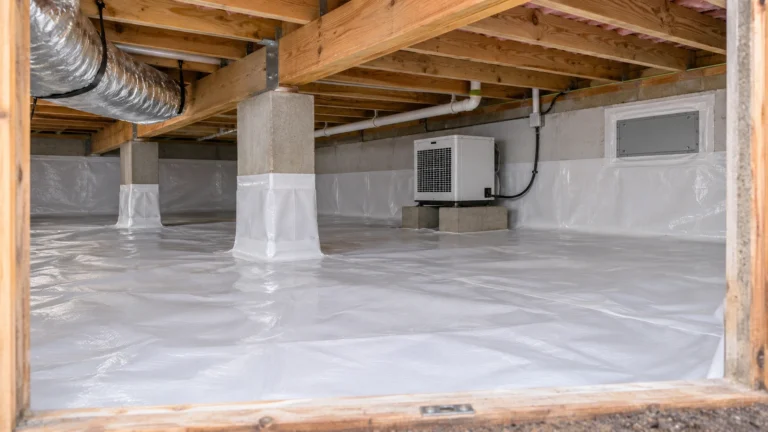
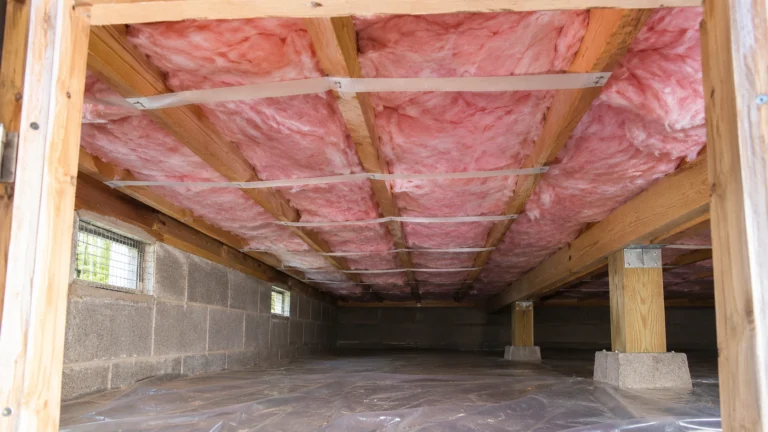
Consider a complete plan when exposed soil is contributing moisture, a vented crawl space repeatedly has condensation in humid weather, floor insulation is deteriorating, or ducts and equipment sit in an uncomfortable unconditioned space. DOE’s unvented crawl-space guide explains how a sealed, insulated assembly can reduce humid-air entry and provide a more controlled space for ducts and pipes.
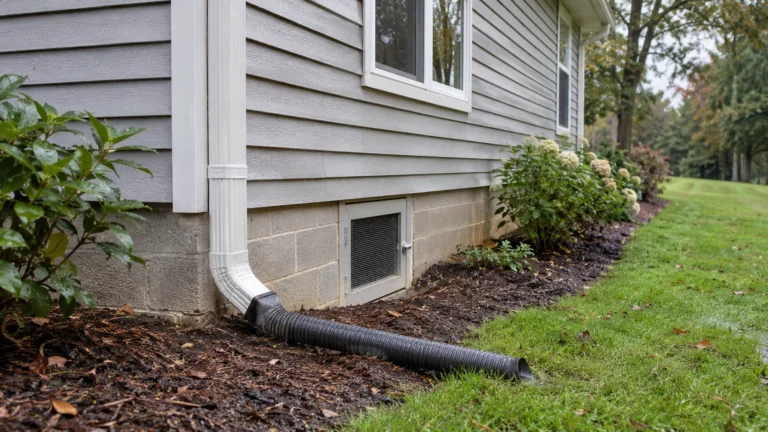
Those signs do not prove that every proposed component is necessary. A plumbing leak needs a plumbing repair. Rainwater beside the foundation may need gutters, grading, or drainage. A torn ground liner may be repairable without a whole-space conversion. Compare the diagnosis with the scope of work, not just the sales name of the package.
What benefits are realistic?
Better moisture control when the source is addressed
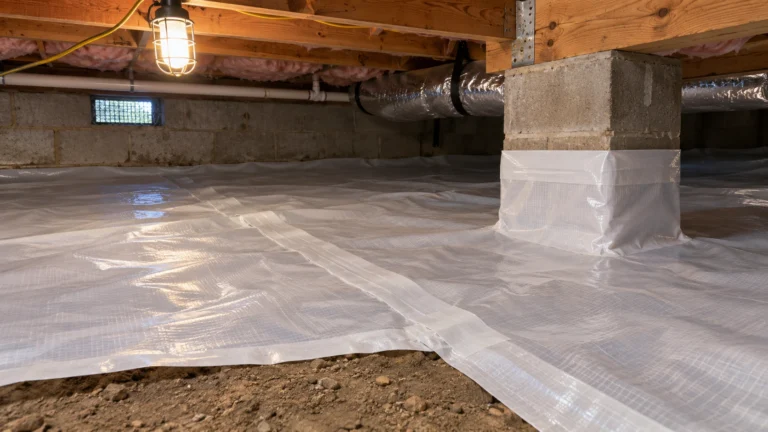
A continuous ground barrier limits vapor from exposed soil. Air sealing can reduce entry of humid outdoor air in an appropriate closed design. Drainage and leak repairs handle liquid water. Together, those measures can reduce repeated dampness. DOE describes these parts as a system, with bulk-water control done first. Sources: Building America ground-cover guide; water-management guide.
Our crawl space moisture-control guide helps distinguish soil vapor, humid air, and standing water. If the house floods after rain, solve that entry route before asking what a liner will do.
More stable conditions for the floor and equipment
A properly designed conditioned space can keep ducts and plumbing within a more controlled enclosure. It may also reduce cold floors or condensation concerns tied to a poorly performing vented assembly. The result depends on existing ducts, insulation, air leakage, climate, and the actual workmanship. Our crawl space insulation guide explains where that insulation belongs in different designs. Source: DOE Building America.
Do not treat a case-study energy-savings percentage as a guarantee for your home. A contractor should explain where the current heat loss or moisture problem is and how the proposed design addresses it.
What are the limitations and downsides?
Upfront cost and added scope. Water removal, drainage, damaged-material cleanup, insulation, electrical work and dehumidification may be separate from a base liner price. A low quote can exclude work that is essential for a wet space.
Ongoing attention. Liners can be torn by future service work, pumps and dehumidifiers need maintenance, and a new leak can arise later. DOE recommends monitoring temperature, humidity, and wood moisture after a sealed crawl-space retrofit. Source: Building America.
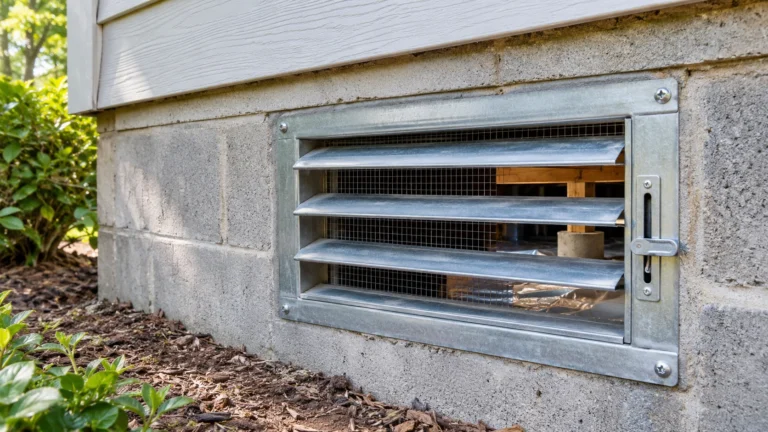
Site and code constraints. Flood-prone areas, required flood vents, combustion equipment, radon, pest inspection strips, and local insulation rules may change what is allowed or sensible. DOE advises checking applicable local requirements before a conversion. Source: Building America.
Encapsulation is not a guaranteed fix for mold, structural damage, or radon. Those issues may need separate assessment and treatment. Do not accept a promise that a plastic liner alone will solve all of them.
What does it cost, and how should you judge value?
Published U.S. planning ranges differ because the work included differs. HomeGuide’s 2026 guide lists $3–$10 per square foot, or $3,000–$15,000 total for many projects. This Old House describes $3–$7 per square foot for a basic project and up to $10 per square foot with extensive moisture issues. These are broad published estimates, not a quote for your house.
Our crawl space encapsulation cost guide breaks down the scope in more detail. To evaluate value, ask what problem the project will solve, what cheaper targeted repairs are possible, and which ongoing costs follow. A clear written diagnosis and itemized bid are more useful than a claimed payback period without measurements.
When is a smaller repair the better first step?
If a pipe is leaking, fix it. If roof runoff pools beside the foundation, correct the gutter or drainage route. If a ground barrier has only a few repairable gaps and the rest of the space is dry and functioning, ask whether repair is sufficient. DOE’s ground-cover guide discusses repairing an existing barrier’s tears and open seams in some situations.
If there is standing water, our water in a crawl space article explains the first checks, while the crawl space waterproofing guide covers runoff, drains, and sumps. Fixing the source may still be part of a larger conversion, but it should be described and priced as a distinct step.
A practical decision checklist
Ask two or more qualified contractors for proposals that answer the same questions:
- What is the diagnosed source of water or humidity? What photos, readings, or observations support it?
- What repairs happen before sealing? Are drainage and damaged-material cleanup included?
- What assembly is proposed? Will the space be vented or conditioned, and where will insulation and the air boundary go?
- How is the ground liner installed? Ask about seams, edges, piers, access, and future repairs.
- How will conditions be maintained and checked? Ask about a drain or pump, dehumidifier if needed, monitoring, warranties, and service.
- What local requirements apply? Ask specifically about flood openings, combustion appliances, radon, and pest inspection access.
If the proposals disagree, ask each contractor to explain the evidence and scope rather than averaging the prices. A full conversion may be a good investment for one house and unnecessary for another.
Common questions
Does encapsulation increase home value?
It may make a documented moisture problem less concerning to a buyer, but no fixed resale-value increase applies to every market or home. Keep inspection records, before-and-after photographs, permits where relevant, and maintenance history. Choose the work because it solves a real building problem, not because of an unsupported resale promise.
Will encapsulation eliminate the need for a dehumidifier?
Not always. A properly sealed space may still need a designed way to manage humidity. The choice depends on climate, enclosure, and measured conditions. DOE’s unvented crawl-space guide includes humidity management as part of the assembly.
Is it worth doing if the crawl space is already dry?
Maybe, if there is a specific comfort, insulation, or duct problem that a well-designed conversion would solve. A dry and functioning space may need only ground-barrier repairs or another targeted improvement. Ask for a site-specific assessment and compare the cost with the expected benefit.
The takeaway
Crawl space encapsulation is worth considering when a documented moisture or comfort problem calls for a complete, maintainable design. Fix active water first, understand the alternatives, compare itemized quotes, and plan to monitor the result. The decision should fit the house, not a one-size-fits-all sales package.